LPG vs Natural Gas at Home
Most Queensland homes cook and heat with one of two fuel gases, so lpg vs natural gas is a question worth settling before you buy, move or convert an appliance. Natural gas is methane, and a metered network pipes it to the house. LPG, short for liquefied petroleum gas, arrives as a liquid in a bottle or tank and vaporises for use.
If we're late, $100 comes off your bill

- Licensed and InsuredEvery job done by a licensed plumber. QBCC No: 15024607
- Fixed Quote FirstFlat-rate pricing, agreed before any work starts
- Lifetime Labour WarrantyBacked by our Fix-It-or-It's-Free guarantee (T&Cs apply)
- $0 Call-Out FeesNo extra charge for nights, weekends or public holidays
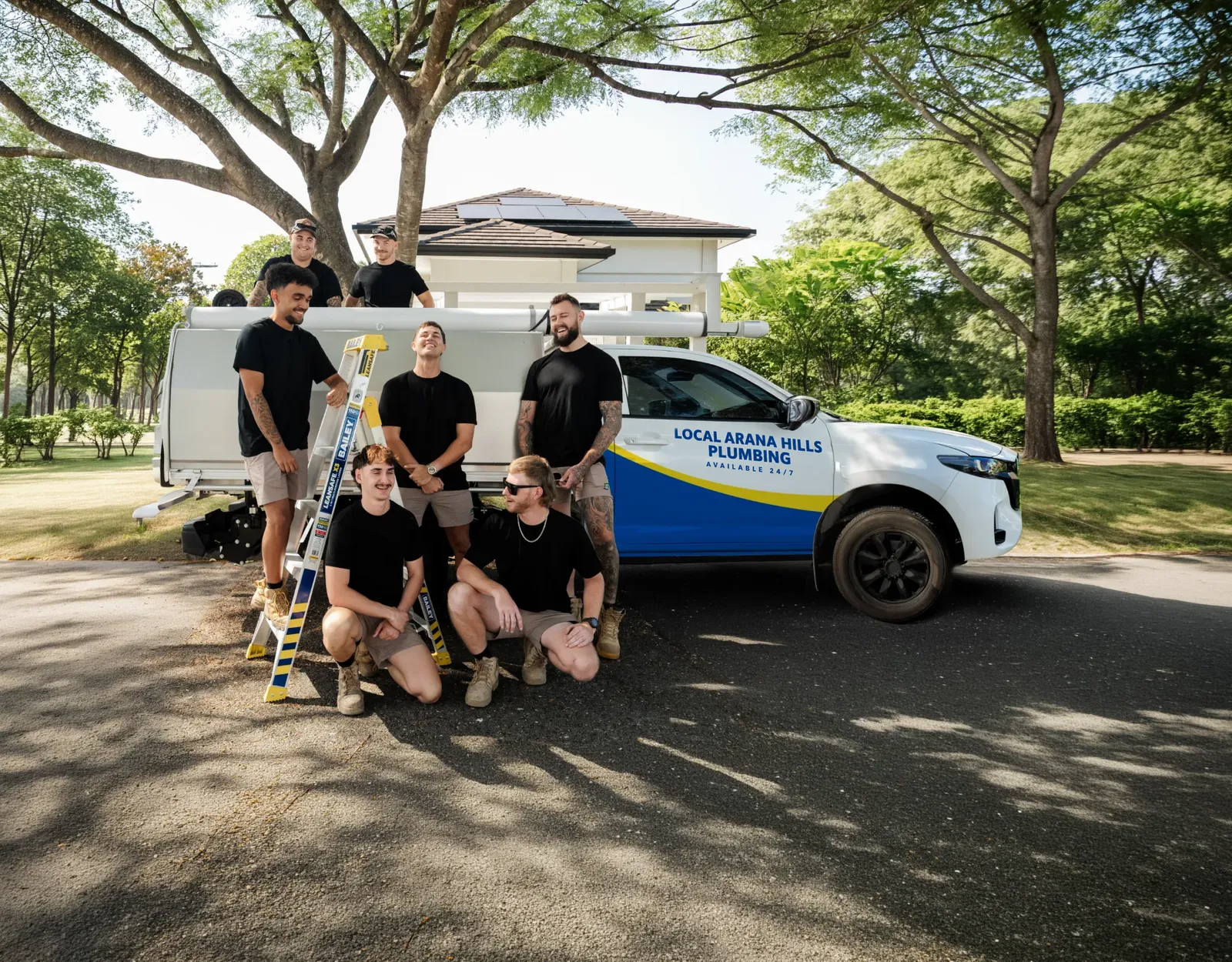
A licensed plumber from our Arana Hills team wrote this guide, and the same crew holds gas work licences for the jobs described below. Housing across the suburb is largely 1960s and 1970s brick-veneer, fibro and weatherboard, so plenty of gas fittings have decades behind them. Age changes nothing about the rules, but it does raise the stakes on any fuel change.
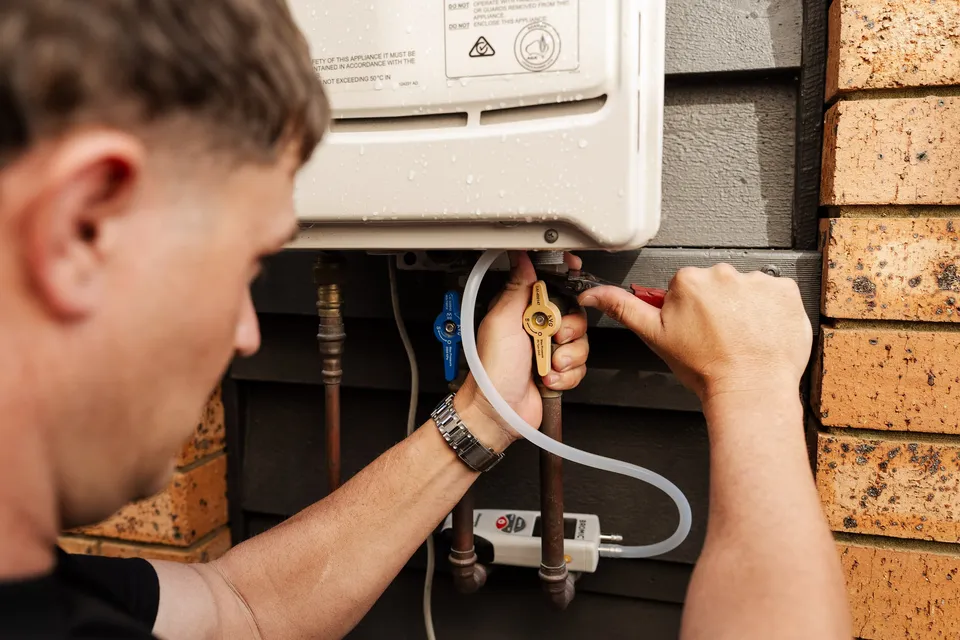
How Natural Gas and LPG Reach Your Home
Natural gas reaches a home through a pipe from a metered network, while LPG arrives by bottle or tank, or occasionally through its own piped supply. Queensland's gas safety advice also recognises reticulated LPG, which is bottled gas sent through pipes instead. So a pipe at the boundary doesn't guarantee methane; the meter or the bottle tells the story.
Reading your own supply takes a glance:
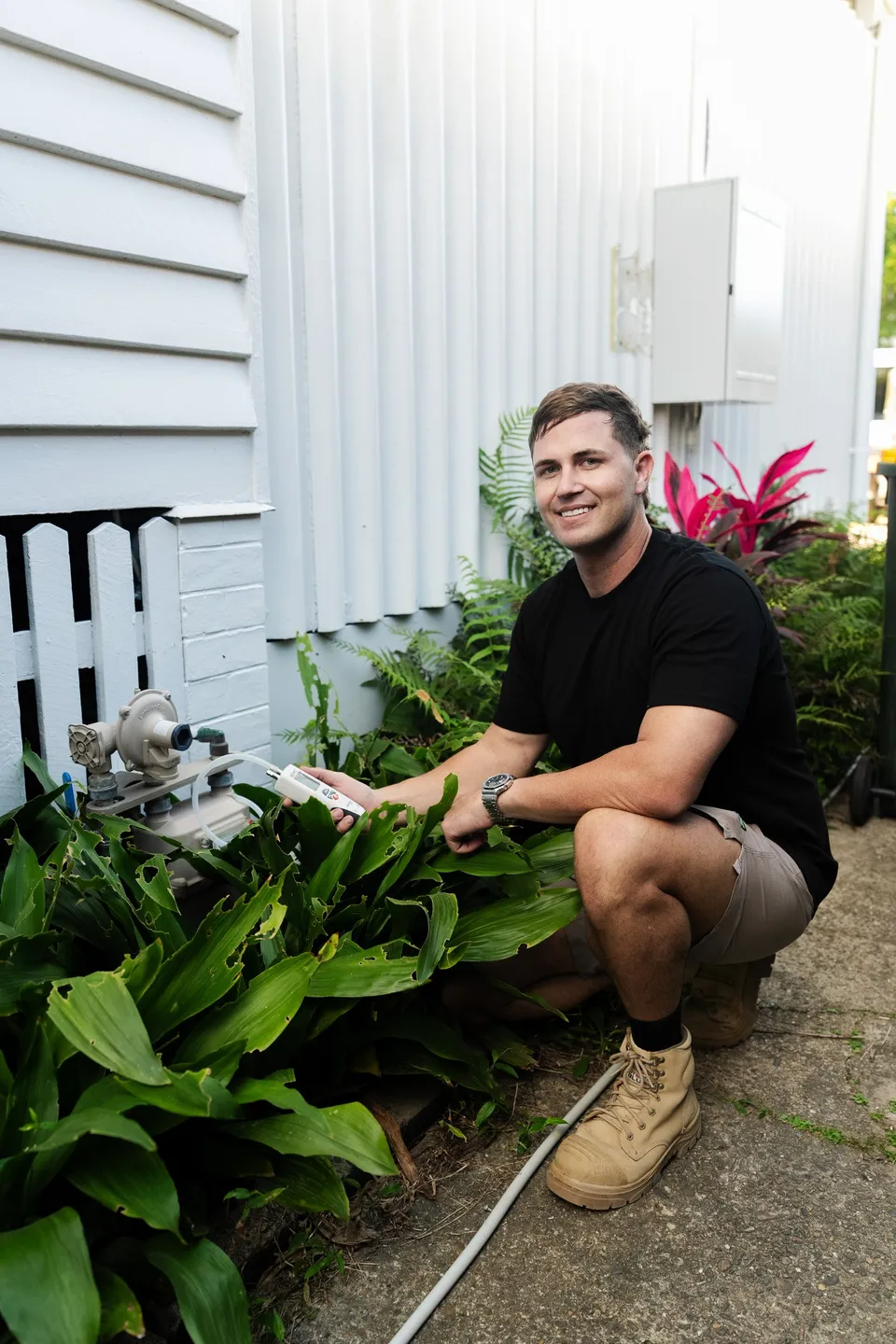
- A gas meter on the wall means a piped supply: methane, or reticulated LPG in some streets.
- A bottle or tank in the yard means LPG, full stop.
- The barbecue bottle, typically nine kilograms, is LPG too.
Neither fuel has any colour or smell naturally. Suppliers dose both with a chemical named mercaptan, which gives escaping gas its rotten-egg odour. That smell is the warning system for either supply.
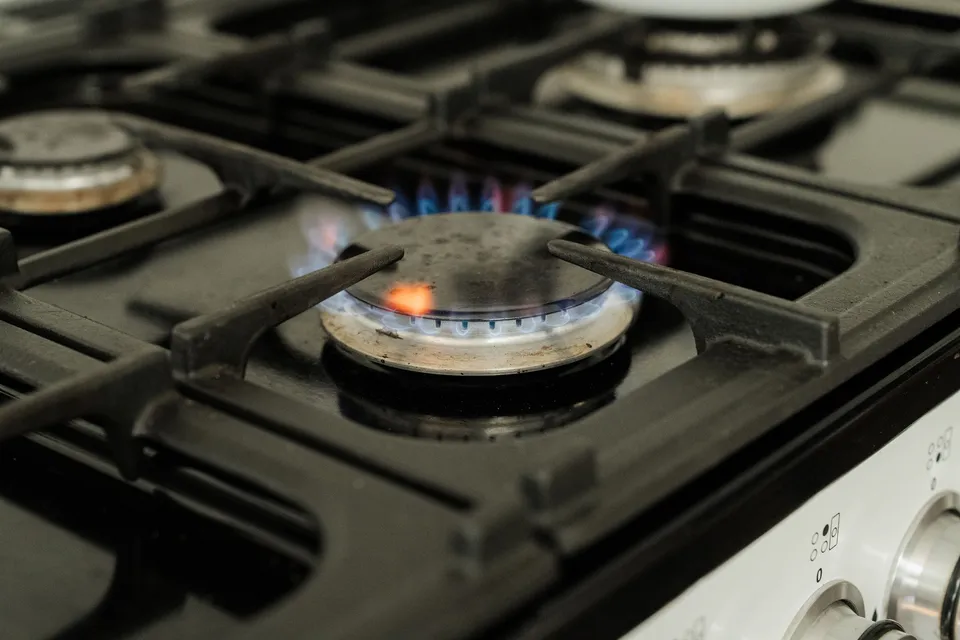
How a Leak Behaves in Each Gas
A natural gas leak tends to rise, because methane is lighter than air, while LPG sinks, settling in drains and any low spot. Neither gas is poisonous or toxic, but both burn readily. A room filled with fuel gas pushes oxygen out, bringing on nausea, dizziness and, at the worst, asphyxiation.
For a smell of either gas: kill the appliance, open the house up, and don't touch light switches or power points. If the smell lingers, shut the supply at the meter or bottle, then ring 000 if it persists.
Piped supply shuts off at the meter. Bottle gas shuts off at the cylinder.
Moving, Storing and Refilling an LPG Cylinder
A refill station will only fill a portable LPG bottle carrying a current ten-year test stamp, and staff inspect the date stamped on each one. The rules between refills matter just as much:
In the car
strap the bottle down and never carry it inside the cabin with passengers.
In use and storage
give it airflow, clear of excess heat and of anything with a flame or spark.
Spares
keep them in the designated secure spot you've chosen, not under the house.
The valve
leave it sealed between uses, even once the bottle runs empty, because traces of gas linger.
The LPG distributor looks after any bottle connected to a house supply, maintaining and testing each cylinder. A smell or damage on a connected bottle means a call to that distributor, not a home repair. Cylinder valves are off limits for owners: never attempt a repair or removal yourself.
On the older blocks off Minto Crescent, a bottle store tucked against a weatherboard wall deserves a second look for airflow and heat.
Can You Convert a Cooktop Between LPG and Natural Gas
Yes, a cooktop can be converted between the two fuels, but only by a licensed gasfitter, because most gas appliances leave the factory set for a single fuel. Conversion counts as gas work in Queensland. The gasfitter fits parts the appliance maker supplies for that model, where a kit exists, and tests the appliance before it goes back into service.
No kit from the maker means the cooktop stays on its original fuel.
The same trade handles a full gas cooktop installation when a new appliance arrives. Ask to see a current gas work licence before the job begins. Gas work takes in every task on a gas system: installation, alteration, repair, servicing, testing, certification and removal.
When to Bring in a Gasfitter
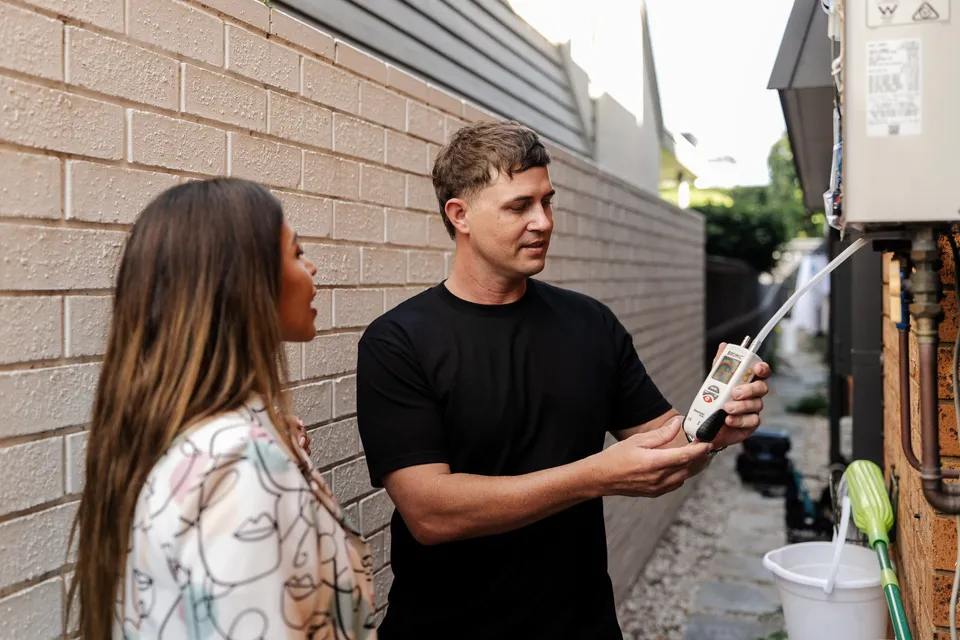
Ring a licensed gasfitter for any job past normal use: a fuel conversion, a new connection, an unexplained smell, or a cylinder setup that needs changing. The same Queensland advice recommends periodic servicing for cookers, barbecues and similar appliances, always following the maker's instructions. A smell you can't explain never waits for a booking.
Questions About Home Gas Supplies
Call (07) 3523 6417What is the difference between LPG and natural gas?
Natural gas is methane, delivered through a metered pipe network; LPG is liquefied petroleum gas, sold as a liquid in bottles and tanks or piped in some streets. Methane rises when it leaks; LPG sinks low. Mercaptan gives both a rotten-egg smell, so an Arana Hills kitchen warns you the moment gas escapes.
Is LPG heavier than air?
Yes, LPG is heavier than air, so leaking gas settles in low spots and drains instead of drifting up. Methane, being lighter than air, tends to rise and thin out in the open. The steps for a smell are identical either way.
Can a gas cooktop run on both LPG and natural gas?
No, most gas appliances are built for one fuel only. Shifting a cooktop between fuels needs a conversion, which is licensed gas work. A gasfitter fits the maker's kit for that model, where one exists, and tests the appliance before use.
Who may convert a gas appliance in Arana Hills?
Only a licensed gasfitter, anywhere in Queensland. A conversion is licensed gas work, never a home job. Ask to see the licence before anyone starts on your place.

Call Us About the Two FuelsWe'll call you back.
Phone (07) 3523 6417 for a licensed plumber in Arana Hills. We work under QBCC No: 15024607, with flat-rate pricing, no hidden fees and same-day where we can.
To claim your $0 call-out fee, call (07) 3523 6417 today.